
Program Overview

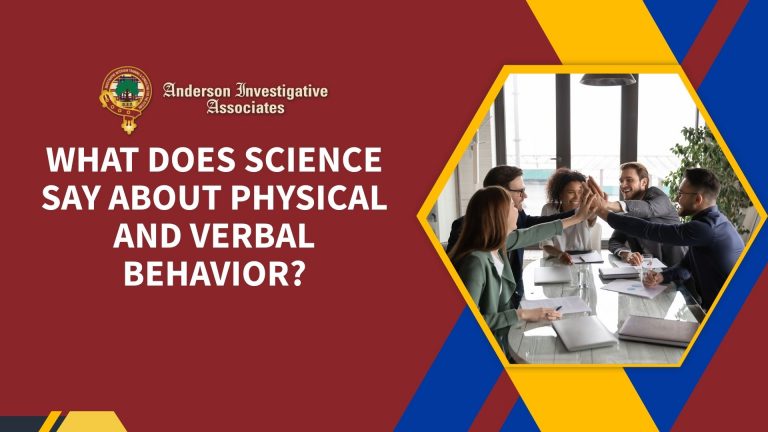
This course examines what modern scientific research demonstrates—and does not demonstrate—about physical and verbal behavior during investigative interviews. Moving beyond traditional deception-detection models, this training equips investigative professionals with an evidence-based understanding of human behavior grounded in research from Cognitive Psychology, Social Psychology, and investigative interviewing science.

Participants learn why commonly taught behavioral indicators of deception lack scientific reliability and how behavioral observations can instead be used appropriately to guide rapport development, communication strategy, and information gathering. The program replaces myth-based behavioral interpretation with scientifically supported approaches that reduce investigative error, confirmation bias, and wrongful credibility assessments.

Training Objectives

  1. Explain the scientific limitations associated with detecting deception through physical and verbal behavior.
  2. Identify psychological, situational, cultural, and cognitive factors that influence observable behavior during investigative interviews.
  3. Apply a behavioral curiosity approach that uses observations to guide questioning rather than determine truthfulness.
  4. Describe how rapport and interviewer conduct influence subject behavior and cooperation.
  5. Recognize verbal behaviors associated with memory retrieval and cognitive effort without drawing unsupported deception conclusions.
  6. Identify common cognitive and attribution errors that lead to behavioral misinterpretation during interviews.
  7. Explain the limitations and risks associated with traditional behavioral baseline assessment practices.
  8. Document behavioral observations objectively while avoiding inferential or credibility-based judgments.
  9. Adjust interview strategy, pacing, and communication style based on behavioral feedback from interviewees.
  10. Integrate behavioral awareness with science-based investigative interviewing methodologies.
  11. Recognize how behavioral misinterpretation contributes to investigative error, tunnel vision, and procedural injustice.
  12. Apply disciplined professional judgment that separates behavioral observation from investigative conclusion-making.

Testimonials

FAQ

ask us anything

Anderson Investigative Associates (AIA) is a professional training organization specializing in customized, science-based interview and investigative training for organizations across law enforcement, corporate, audit, human resources, and inspection sectors.

AIA offers training in human resources interviewing, investigative interviewing, audit/inspection/evaluation, leadership and communication, trauma-informed interviewing, cognitive interviewing, evidence collection techniques, and more — all customized to client needs.

Science-based interviewing refers to methodologies rooted in cognitive psychology and behavioral science research that improve information accuracy, reduce investigative bias, and enhance the quality of interviews and investigations.

AIA’s training is designed for professionals in law enforcement, auditing, internal investigations, human resources, corporate security, inspection, evaluation, and other roles where effective information gathering and interviewing are critical.

Yes. AIA specializes in fully customized training solutions tailored to an organization’s specific operational requirements, training gaps, culture, and investigative challenges.

Training can be structured in various formats — from one-day workshops to multi-day immersive courses — and includes interactive exercises, realistic scenarios, and hands-on practice.

Some courses include Cognitive Interviewing, Counter-Interrogation Strategies, Science-Based Rapport Building, Strategic Interview Planning, Evidence Disclosure and Strategic Empathy, and Advanced Trauma-Informed Interviewing.

Science-based approaches improve investigative outcomes by maximizing the reliability and accuracy of information obtained, minimizing bias, and creating defensible methods suitable for legal and professional scrutiny.

Yes. AIA provides training tailored to human resources professionals for employee interviews, misconduct investigations, conflict resolution, and documentation practices that align with legal and organizational standards.

You can contact AIA through their website’s Contact page or by calling their office number provided on the site.