 Anderson Investigative AssociatesScience-Based Interview & Investigation Training
Memory science and enhanced recall techniques.
This advanced training program equips investigators, auditors, and fraud examiners with scientifically-validated cognitive interviewing techniques designed to maximize accurate information retrieval from cooperative witnesses, victims, and potentially deceptive subjects.
Science-based methodology, not traditional questioning
This advanced training program provides investigators, auditors, and fraud examiners with scientifically-validated cognitive interviewing techniques designed to maximize accurate information retrieval from cooperative witnesses, victims, and potentially deceptive subjects.
Based on decades of memory research and cognitive psychology studies, this course transforms traditional questioning approaches into science-based methodologies that significantly improve both the quantity and quality of information obtained during investigative interviews.
How memory actually functions — versus common misconceptions
The cognitive interview technique is grounded in scientific research demonstrating how human memory actually functions versus common misconceptions about recall processes. Training incorporates findings from cognitive psychology showing that memory is reconstructive rather than reproductive, and that specific questioning strategies can either enhance or contaminate witness recollections.
- Encoding Specificity: How environmental and contextual cues improve memory retrieval.
- Multiple Retrieval Pathways: Accessing memories through different cognitive routes to maximize recall.
- Interference Reduction: Minimizing factors that degrade memory accuracy during the interview process.
- Schema Theory Application: Understanding how prior knowledge affects memory storage and retrieval.
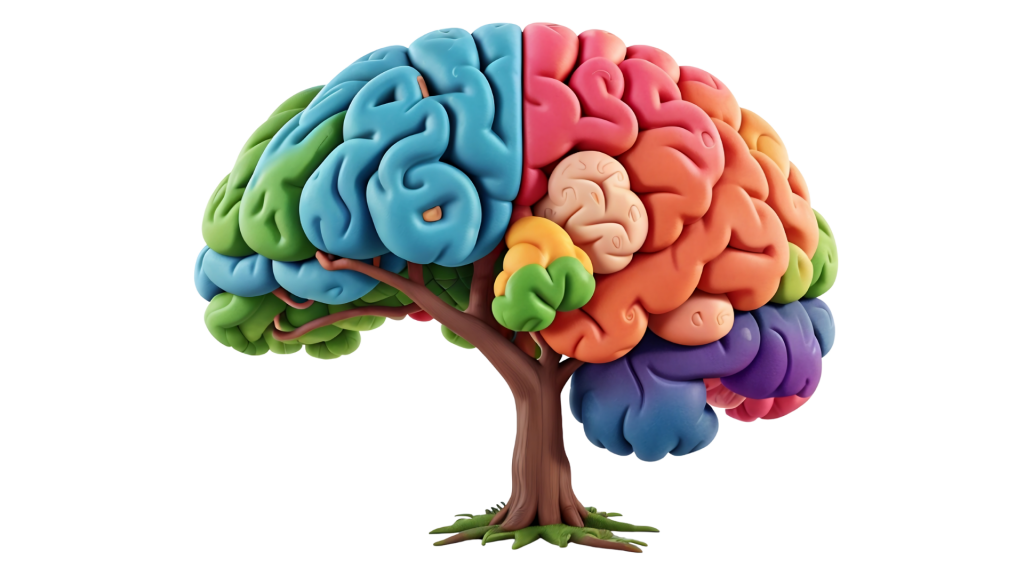
Memory enhancement techniques that hold up under scrutiny
- Context Reinstatement: Guiding witnesses through systematic mental and physical reconstruction of the original event environment — shown to improve recall accuracy by 25–50% compared to standard questioning.
- Multiple Perspective Recall: Validated techniques for accessing memories from different viewpoints and temporal sequences, retrieving information inaccessible through chronological questioning alone.
- Sensory-Focused Retrieval: Engaging different sensory modalities — visual, auditory, tactile — to unlock additional memory pathways, based on research showing multi-sensory encoding creates more robust memory traces.
Getting the most from willing witnesses and victims
For willing witnesses and victims, participants learn to:
- Implement free recall techniques that minimize leading questions and interviewer bias
- Use appropriate wait times based on cognitive processing research
- Apply memory-compatible questioning sequences that align with natural recall patterns
- Recognize and work with individual differences in memory processing styles
What memory science reveals about deception
When interviewing potentially deceptive subjects, the program addresses:
- How cognitive load affects both truthful and deceptive responses
- Memory-based questions that are difficult to fabricate convincingly
- Techniques for distinguishing between memory errors and intentional deception
- Strategies for overcoming resistance while maintaining memory accuracy

Addressing the psychological obstacles to complete disclosure
- Trauma-Informed Interviewing: Research-backed techniques for interviewing trauma survivors without retraumatization while maintaining memory accuracy and completeness.
- Anxiety and Stress Reduction: Scientifically-validated methods for reducing interview anxiety that can impair memory retrieval, including specific verbal and environmental modifications.
- Motivational Interviewing Integration: Evidence-based approaches for encouraging cooperation and information sharing from reluctant witnesses through psychological engagement rather than confrontation.

From principles to practice, in the field
Through interactive exercises and realistic scenarios, participants practice applying cognitive interviewing principles across diverse investigative contexts. Training includes analysis of successful implementations and common pitfalls that can compromise memory retrieval effectiveness.
The program addresses specific challenges including:
- Adapting techniques for different age groups and cognitive abilities
- Managing time constraints while maintaining scientific rigor
- Integrating cognitive interviewing with other investigative tools
- Documenting and preserving enhanced recall information for legal proceedings

What properly implemented cognitive interviewing produces
Studies consistently demonstrate measurable, defensible improvements over standard questioning approaches — not just better rapport, but better evidence.
Scientific integrity, witness welfare, and legal defensibility
The program emphasizes maintaining scientific integrity while respecting witness welfare and legal requirements. Participants learn to distinguish between legitimate memory enhancement and suggestive practices that could compromise evidence validity.
Training includes guidance on:
- Balancing thoroughness with witness well-being and time constraints
- Recognizing the limits of memory enhancement techniques
- Maintaining ethical standards during emotionally challenging interviews
- Properly documenting cognitive interviewing procedures for legal scrutiny
Testimonials
Feedback from investigators, auditors and IG professionals who've trained with AIA.
Mark's training classes are a refreshing and engaging approach to gathering pertinent evidence during the interviewing process. He presents the material in a way that draws the audience in.
Mark's training is engaging, approachable, and genuinely enjoyable, yet firmly grounded in the latest science.
Mark has a myriad of law enforcement and public corruption investigation experience that makes him one of the highest rated instructors at the AIG Institutes.
Uniquely qualified to develop and deliver interviewing and interrogation training to new and experienced criminal and administrative investigators alike.
Mark's expertise in investigative interviewing sets him apart — an outstanding and enthusiastic instructor who received consistently favorable comments from students and colleagues.
Some of the best interviewing training I've ever seen and sent my detectives to. His practices and trainings evolve as he learns more from science-based information.
Frequently asked questions
What is Anderson Investigative Associates (AIA)?
What types of training services does AIA offer?
What does "science-based interviewing" mean?
Who should attend AIA training programs?
Are AIA's training programs customizable?
How is AIA's training delivered?
What are some specific courses offered by AIA?
Why is science-based training important in investigations and interviews?
Can AIA training help with HR investigations and interviews?
How can I contact Anderson Investigative Associates?
Committed to truth through science-based interviewing.
Have questions about scheduling this course for your organization?
(912) 571-6686